

We understand you may have questions before booking. Here are some of the most common.
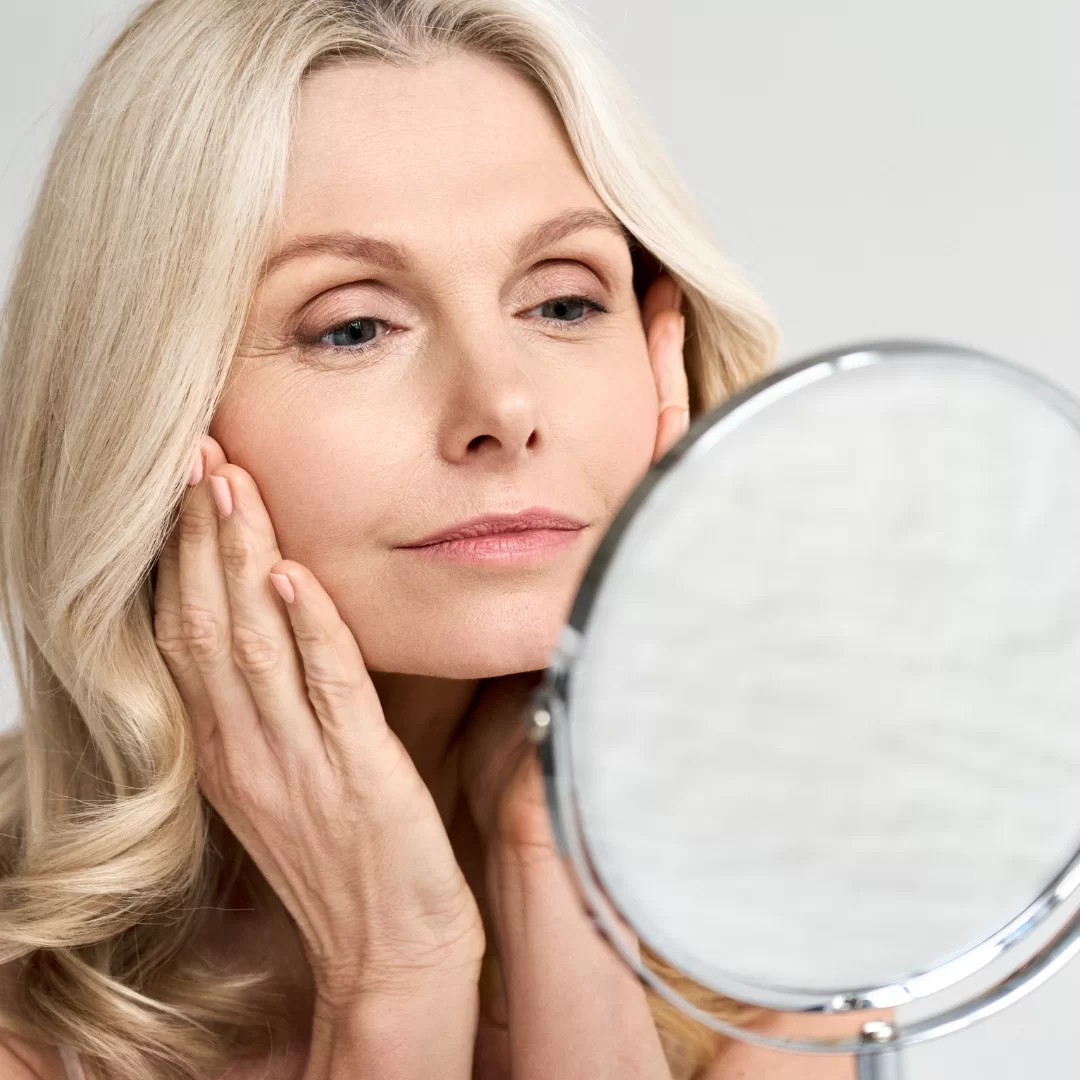
Anti-wrinkle injections can treat wrinkles and lines located across many different parts of the face, including:
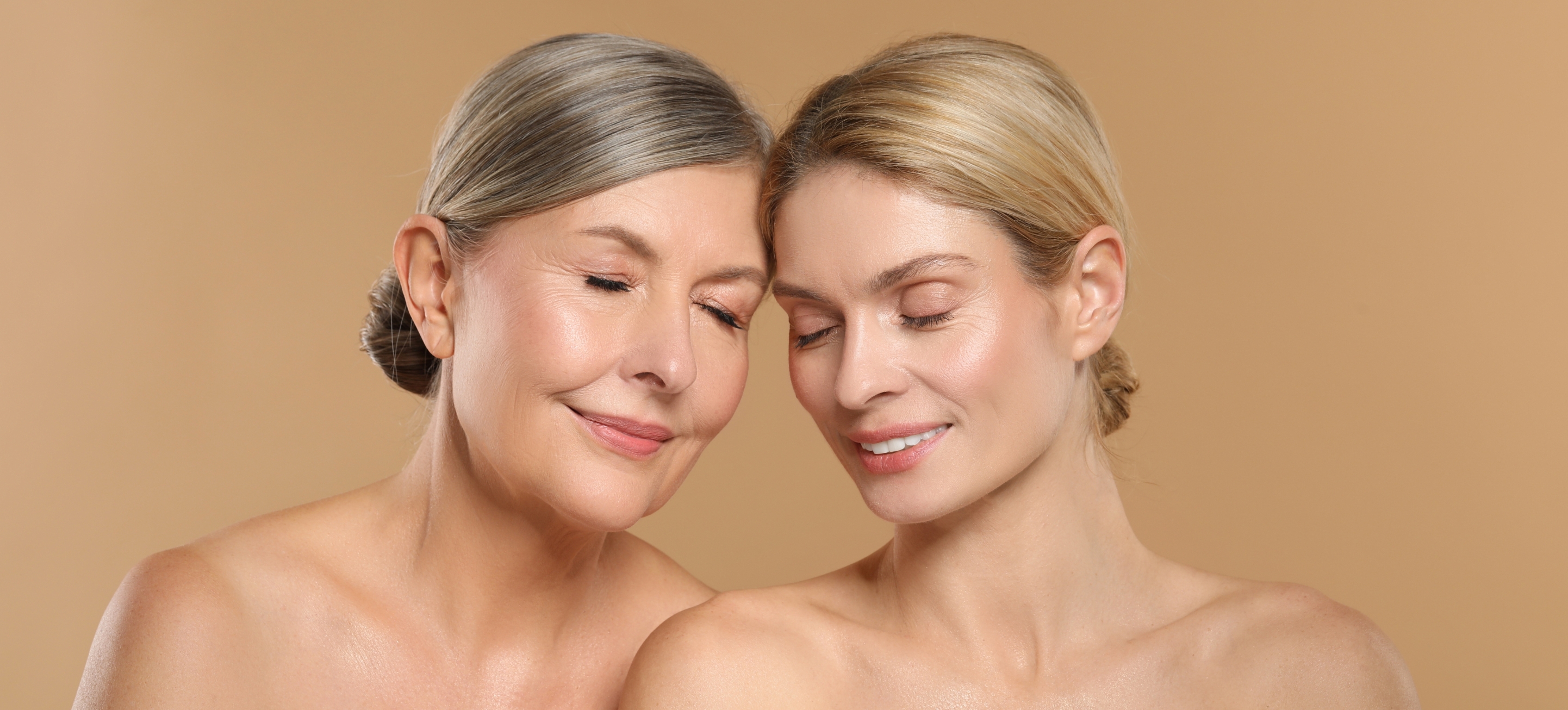
As collagen levels start to drop when we reach our late 20s and early 30s, this is a good time to consider anti-wrinkle treatment. By this point, the skin will find it harder to retain moisture and suppleness, which will result in accentuated lines and wrinkles. Some static wrinkles may also start to appear due to repeated movement of the face. Please be aware that anti-wrinkle injections are not legal for under-18s.
Avoid rubbing or massaging the treatment site for at least 4 hours immediately after injection. You should also refrain from any heavy exercise for 24 hours and avoid sun beds, saunas, and hot tubs; this will prevent bruising, which can occur as a result of the heat increasing your blood pressure.
Anti-wrinkle injections can last for 3 to 4 months, though after repeated treatments the muscles will become used to the effects, leading to an increase in how long your skin reaps the benefits.
Factors like genetics and lifestyle will have an effect on the results. Smoking, sun exposure and a poor diet lacking in minerals and vitamins can dramatically impact how beneficial treatment has the potential to be.
Whilst there is some degree of discomfort to be expected during and after treatment, our patients are always surprised at how minor this is. As a numbing cream is applied, pain will be very minimal. Our practitioners use gentle and diligent injection techniques designed to minimise pain and accurately target the desired treatment areas for maximum success.
This is a concern our patients often ask us about, and the answer is yes.
Anti-wrinkle injections contain a neuromodulating substance which stops the muscles from moving and, in turn, wrinkles from contracting. For this reason, you can expect less movement when you display certain facial expressions. However, this will only really be something you yourself notice. The optimal amount of the neurotoxin will be carefully injected at each site to strike a balance between maintaining your natural facial make-up and reversing the tell-tale signs of ageing that are wrinkles and lines.
Founder and Director of Intrigue Cosmetic Clinic, Amish Patel, is an Aesthetic Artist who has trained with and carried out injectable treatments for patients with a variety of needs and expectations.
As an aesthetic practitioner and award-winning pharmacist, he has daily experience in working with faces. This underpins his skills as an injector, allowing him to create a graceful and balanced result that his patients are always thrilled by. He believes in a holistic approach to non-surgical facial aesthetics as a practice and thoroughly enjoys getting to know his patients so he can meet and exceed their expectations.
Like other injectable treatments, it’s normal to have some slight bruising, swelling and redness for a couple of days after treatment.
Amish will carry out a full medical consultation prior to treatment to minimise the (very unlikely) possibility of an allergic reaction (which is normally characterised by swelling at the injection site). Please contact us immediately if you notice any swelling, or if something doesn’t feel quite right.
Anti-wrinkle injections are primarily used to address wrinkles and lines that emerge as the skin starts to struggle to create collagen.
Dermal fillers plump the skin with hyaluronic acid, which attracts moisture to the skin, the purpose of which is to plump the skin.
Both wrinkles and loss of volume are natural symptoms of the skin getting older, and anti-wrinkle injections and dermal fillers offer a non-invasive solution for slowing this process down.
We can combine the two treatments to address both problems; wrinkles and lines generally precede loss of skin volume.
Dermal fillers are also used as a means of adding volume and shape to specific facial features, including the lip and nose areas.

Choose how you’d like to connect with us. Our team is here to guide you every step of the way.


Schedule your personalised aesthetic consultation with our team.


Message us directly with any questions about treatments or availability.


Choose a convenient time for your online consultation.


Speak with our team today to book your appointment.
Schedule your personalised aesthetic consultation with our team.
Message us directly with any questions about treatments or availability.
Choose a convenient time for your online consultation.
Speak with our team today to book your appointment.